Blog
How to Return CHEP Pallets: A Complete Step-by-Step Guide

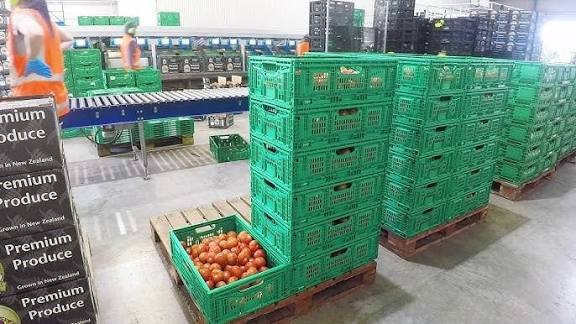
CHEP pallets are among the most widely used reusable pallets in the logistics and supply chain industry. Their distinctive blue color makes them easy to identify, and they are designed to circulate through a shared pallet pooling system rather than being bought and sold like standard wooden pallets. If your business has received CHEP pallets and you’re wondering how to return CHEP pallets, this comprehensive guide explains the process, best practices, and why timely pallet returns are important.
Whether you’re a retailer, warehouse operator, manufacturer, distributor, or transport company, understanding the proper CHEP pallet return procedure helps maintain supply chain efficiency while supporting sustainable logistics.
What Are CHEP Pallets?
CHEP pallets are reusable wooden pallets owned by CHEP and managed through a global pallet pooling network. Instead of purchasing pallets outright, participating businesses use them as part of a rental and exchange system. Once the pallets have completed their role in the supply chain, they should be returned through the approved CHEP network.
Because CHEP retains ownership of these pallets, they should not be disposed of, modified, or resold without authorization.
Why Is It Important to Return CHEP Pallets?
Returning CHEP pallets promptly provides several benefits:
- Supports an efficient pallet pooling system
- Reduces unnecessary pallet shortages
- Promotes sustainable reuse and recycling
- Helps businesses meet supply chain obligations
- Keeps warehouse operations organized and efficient
- Contributes to lower environmental impact through pallet reuse
Proper pallet management benefits both businesses and the wider logistics network.
Step-by-Step Procedure to Return CHEP Pallets
1. Separate CHEP Pallets from Other Pallets
Identify the blue CHEP pallets and keep them separate from standard wooden pallets or other pallet brands. Proper sorting prevents accidental disposal or incorrect handling.
2. Count and Inspect the Pallets
Count the number of pallets you intend to return. Perform a basic visual inspection to ensure they are free from excessive contamination or hazardous materials. Minor wear is expected due to normal use.
3. Organize Your Pallet Inventory
Maintain accurate records of incoming and outgoing CHEP pallets. Keeping inventory up to date makes the return process faster and reduces administrative errors.
4. Arrange an Authorized Return
Follow your company’s agreed return process with CHEP or the relevant logistics partner responsible for pallet collection. Depending on your business arrangement, pallets may be collected from your facility or returned to an authorized service location.
5. Prepare the Pallets for Collection
Stack pallets safely and securely in an accessible area. Ensure they can be loaded efficiently by collection vehicles while following your site’s health and safety procedures.
6. Keep Return Documentation
Retain any delivery notes, transfer records, or return confirmations provided during the collection process. Good record-keeping helps maintain accurate inventory and supports future reconciliation if required.
Best Practices for CHEP Pallet Management
Effective pallet management helps businesses reduce delays and improve warehouse efficiency. Consider these best practices:
- Train warehouse staff to identify CHEP pallets.
- Keep CHEP pallets stored separately from other pallet types.
- Perform regular pallet inventory checks.
- Avoid using CHEP pallets for unauthorized purposes.
- Maintain accurate pallet movement records.
- Schedule returns regularly instead of allowing pallets to accumulate.
A well-organized pallet management system can save time, improve operational efficiency, and support smoother logistics.
Common Mistakes to Avoid
Many businesses unintentionally create pallet management issues by making avoidable mistakes, including:
- Mixing CHEP pallets with disposable pallets
- Disposing of reusable pallets
- Selling CHEP pallets without authorization
- Failing to maintain pallet inventory records
- Delaying pallet returns for extended periods
Avoiding these issues helps maintain an efficient workflow and reduces operational complications.
Benefits of Proper CHEP Pallet Returns
Returning CHEP pallets correctly offers long-term advantages:
- Improved warehouse organization
- More efficient inventory management
- Support for sustainable logistics practices
- Reduced pallet shortages within the supply chain
- Better operational efficiency
- Stronger relationships with supply chain partners
Businesses that implement structured pallet return procedures often experience smoother day-to-day operations and better inventory visibility.
Conclusion
Understanding how to return CHEP pallets is an essential part of responsible warehouse and supply chain management. By identifying CHEP pallets, maintaining accurate records, preparing them for collection, and following the appropriate return process, businesses can contribute to an efficient pallet pooling system while supporting sustainability and operational excellence.
If you’re looking for high-quality wholesale pallets, customer returns, overstock inventory, or bulk merchandise for resale, Liquidation Pallet Sourcing is your trusted partner. We specialize in providing reliable liquidation pallets across a wide range of product categories, helping retailers, resellers, and growing businesses source quality inventory at competitive prices. Explore Liquidation Pallet Sourcing today to discover cost-effective pallet solutions that help your business grow.


