Blog
What Is a Liquidation Business? A Complete Guide to How It Works

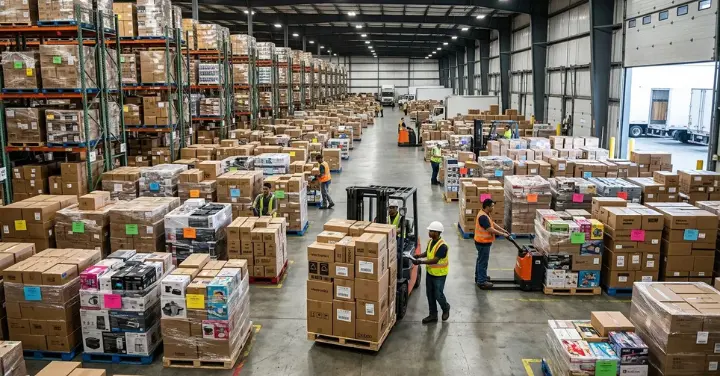
Have you ever wondered how businesses sell brand-name products at significantly reduced prices or how entrepreneurs turn surplus inventory into profitable opportunities? A liquidation business offers a practical way to buy and sell discounted merchandise while helping retailers clear excess stock. From returned electronics and furniture to clothing, appliances, and home improvement products, liquidation creates opportunities for bargain hunters, wholesalers, and aspiring business owners.
Whether you’re exploring a new business idea or looking for affordable products, understanding how the liquidation industry works can help you make informed decisions.
What Is a Liquidation Business?
A liquidation business specializes in purchasing and reselling assets, inventory, or merchandise at reduced prices. These assets may come from retailers clearing excess stock, manufacturers discontinuing products, or companies closing their operations.
There are two common types of liquidation businesses. Retail inventory liquidation focuses on buying and reselling surplus products, customer returns, and clearance merchandise. Business asset liquidation involves selling equipment, furniture, vehicles, inventory, or other assets to recover money for creditors or business owners.
Both models aim to convert unwanted or underused assets into cash, although their processes and legal requirements can differ significantly.
How Does a Liquidation Business Work?
Most retail liquidation businesses follow a straightforward process:
- Source liquidation inventory: Purchase excess merchandise from retailers, manufacturers, wholesalers, liquidation auctions, or authorized liquidation marketplaces.
- Inspect and sort products: Assess product condition, identify missing components, and separate new, open-box, returned, and damaged merchandise.
- Calculate costs: Include purchase prices, shipping, storage, labor, repairs, and other operating expenses.
- Price products competitively: Set selling prices based on product condition, market demand, and comparable retail listings.
- Sell through multiple channels: Use a physical liquidation store, online marketplace, wholesale network, or dedicated e-commerce website.
Some liquidation retailers sell individual products, while others specialize in bulk inventory, wholesale lots, or liquidation pallets.
How Do Liquidation Businesses Make Money?
Liquidation companies generally earn revenue by reselling merchandise for more than their total acquisition and operating costs. Buying inventory at a discount can create an opportunity for attractive profit margins, particularly when products are in good condition and demand is strong.
For example, suppose a business purchases a liquidation lot for $2,000 and spends another $500 on transportation, inspection, and handling. If it sells the merchandise for $3,500, its gross profit after those direct costs is $1,000, before other expenses and taxes.
Actual results vary considerably. Unsellable products, inaccurate inventory descriptions, and unexpected shipping costs can reduce profits or cause losses.
What Products Can You Sell in a Liquidation Business?
Popular liquidation inventory categories include:
- Electronics and small appliances
- Furniture and home décor
- Clothing, footwear, and accessories
- Tools and home improvement supplies
- Kitchenware and household essentials
- Overstock and seasonal merchandise
Choose products based on local demand, storage capacity, supplier reliability, and your available budget.
Is Starting a Liquidation Business Worth It?
A liquidation business can be a promising opportunity for entrepreneurs interested in discounted merchandise and resale. However, success requires careful supplier research, accurate cost calculations, reliable inventory management, and a clear sales strategy.
Before investing, verify supplier legitimacy, review return and warranty terms, inspect sample merchandise when possible, and understand applicable business and tax regulations.
Start Your Liquidation Business With Confidence
The liquidation industry connects businesses with buyers seeking value while helping companies recover money from surplus inventory and unwanted assets. Whether you want to open a liquidation store, sell liquidation pallets online, or launch a wholesale resale operation, a well-researched business plan can help you build a sustainable operation.
Ready to explore liquidation opportunities? Research reputable suppliers, compare inventory costs, and identify profitable product categories before making your first purchase.


